Sunday, April 2, 2023

Boat Orchid

"The orchid's allure is in its subtlety."


The Boat Orchid, scientifically known as Cymbidium is a beautiful and widely popular orchid species. It is native to Asia, Australia and surrounding regions.

Boat orchids derive their name from the shape of their flowers which are boat-shaped and can be up to 10 cm long. These flowers come in a range of colours including white, pink, yellow and green with some species having patterned petals or spots. The plant's leaves are long and thin and the entire plant can grow 1.5 meters high.

One of the reasons for the Boat Orchid to be popular is that it is a relatively easy plant to care for. It thrives in bright, indirect light and prefers to be kept in a well-draining soil mix. Regular watering is required but it is important not to let the plant sit in standing water as this can cause root rot. During the growing season, fertilizer can be added to promote healthy growth.

They can be grown as houseplants, in pots or even in outdoor gardens. 

In addition to their aesthetic appeal, they have medicinal properties to treat various ailments such as coughs and sore throats.


A tryst with nature #orchid #boatorchid


‘This post is part of #BlogchatterA2Z challenge’
www.theblogchatter.com

Saturday, April 1, 2023

Aechmea fasciata

"Orchids may be delicate, but their beauty is a symbol of strength and resilience."


Aechmea fasciata, commonly known as the silver vase plant, is a popular ornamental plant. It is native to Brazil and is widely cultivated worldwide due to its beautiful silvery-grey foliage and attractive pink flower spike.

Silver vase requires minimal care, making it an excellent choice for beginner gardeners. It prefers bright, indirect light and well-draining soil that is kept consistently moist but not waterlogged. The plant also benefits from occasional misting to help maintain its humidity requirements. It is often grown as a houseplant although it can also be grown outdoors in warmer climates.

In addition to its ornamental value, Aechmea fasciata is also known for its air-purifying properties. It absorbs pollutants such as formaldehyde, benzene and xylene from the air making it a great choice for improving indoor air quality.

Overall, Silver vase is a beautiful and easy-to-care-for plant that is sure to add a touch of elegance to any home or garden.

A tryst with nature #orchid #aechmeafasciata

‘This post is part of #BlogchatterA2Z challenge’
www.theblogchatter.com

Wednesday, March 29, 2023

Springtime Magic - Theme Reveal A2Z Challenge

"Spring adds new life and new beauty to all that is." - Jessica Harrelson


Spring is a season of new beginnings and rejuvenation and nothing exemplifies this more than the sight of colorful flowers bursting forth from the ground in that season. As the weather warms up and the days grow longer, these delicate blooms add a touch of beauty and fragrance to our surroundings.

Some of the most popular spring flowers include orchids, tulips, daffodils, crocuses, hyacinths and cherry blossoms. Each of these flowers has its own unique characteristics and charm. 

Cherry blossoms are particularly iconic spring flowers, especially in Japan where they are celebrated with the annual Hanami festival. 

Spring flowers are not only beautiful to look at but they also have a significant impact on our well-being. Spring flowers are a true testament to the beauty of nature and the power of new beginnings. 

This year's A2Z challenge in coming April 23 is dedicated to various spring flowers that I have come across recently.

A tryst with nature #spring

Wednesday, March 1, 2023

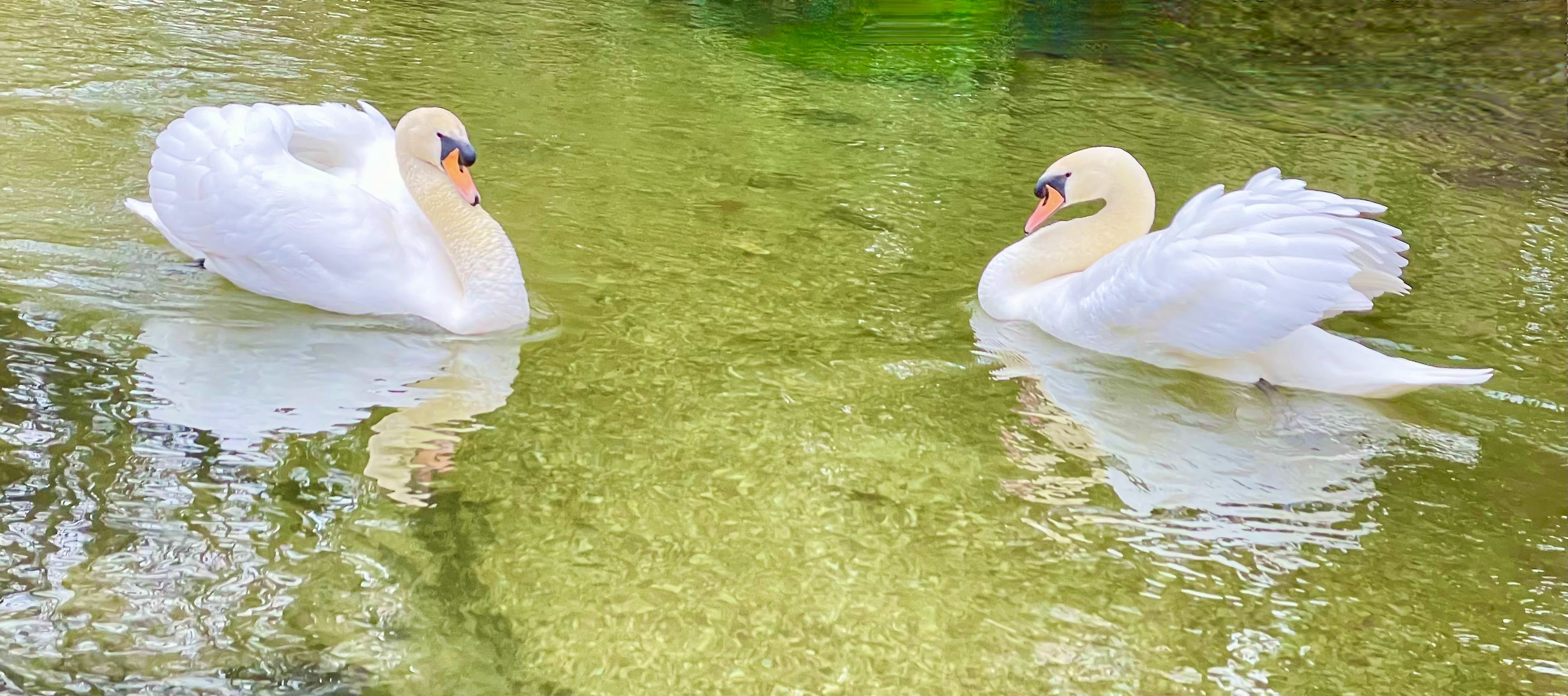
"The grace of a Swan"

"A dance on the water, a symphony in the sky"

Monday, December 19, 2022

Cold Truths for a Warm Planet

"Cherish the natural world, because you're a part of it and you depend on it." - Sir David Attenborough


Global warming doesn’t mean that winter is cancelled and intense cold is one of its effects. Climate change affects winter in following ways:
  • Increase in snowfall happens because a warmer planet is evaporating more water into the atmosphere which means more precipitation in the form of heavy snowfall or downpours.
  • During warmer months, the extra moisture in the atmosphere can cause record-breaking floods while in winter when earth is tipped away from the sun, the temperatures drop and instead of heavy rains we get blizzards.
  • A normal winter feels colder to us now as the world has warmed up over the last half century.
  • Sea ice in the Arctic Region has been steadily melting and enhancing the effects of global warming by causing a positive feedback loop. The loop starts when sunlight which would have been reflected by the ice, gets absorbed by the newly exposed dark ocean water instead. The sunlight warms the sea surface which in turn melts more sea ice. As a result, the Arctic is warming about twice as fast as the rest of the world and the phenomenon is known as Arctic amplification. This increases the likelihood of extreme winter weather in parts of the United States, Europe and Asia.

Sharing a few pictures of the ongoing winter season in this blog post. 


A tryst with nature #climatechange #winter


“This post is part of Blogchatter’s CauseAChatter.” 


Friday, December 9, 2022

Paint the Sky

"Sunrise and sunsets are more than just a gorgeous piece of scenery."


A tryst with nature #sunrise #sunset

Monday, October 31, 2022

Fall Foliage & Climate Change

"Climate change is no longer some far-off problem; it is happening here, it is happening now." - Barack Obama

Fall is magical with vivid colours. But recent studies have shown that fall is appearing behind schedule as a result of climate change. Several parts of the world have experienced the warmest Octobers on record. Apart from increase in temperature, lack of precipitation, prolonged droughts and insect infestations affect the autumn period.

During spring and summer leaves produce chlorophyll which capture sunlight to generate sugars and carbohydrates upon which the trees grow and survive.

When temperature drops and days grow shorter during autumn, trees end the chlorophyll production as well as nutrient absorption. This helps them to prepare for winter as the cold snap kills the leaves.

This final stage of leaf development leading up to shedding is known as leaf senescence.

Climate change has jeopardised the autumn season in following way- Trees are experiencing longer growing periods with shorter transition times between warm days and cold frosts. Due to this, they may not have a chance to finish absorbing the sugars as well as carbohydrates that remain in their green leaves before the first winter frost. This could in turn impact how well a tree grows in the following spring.

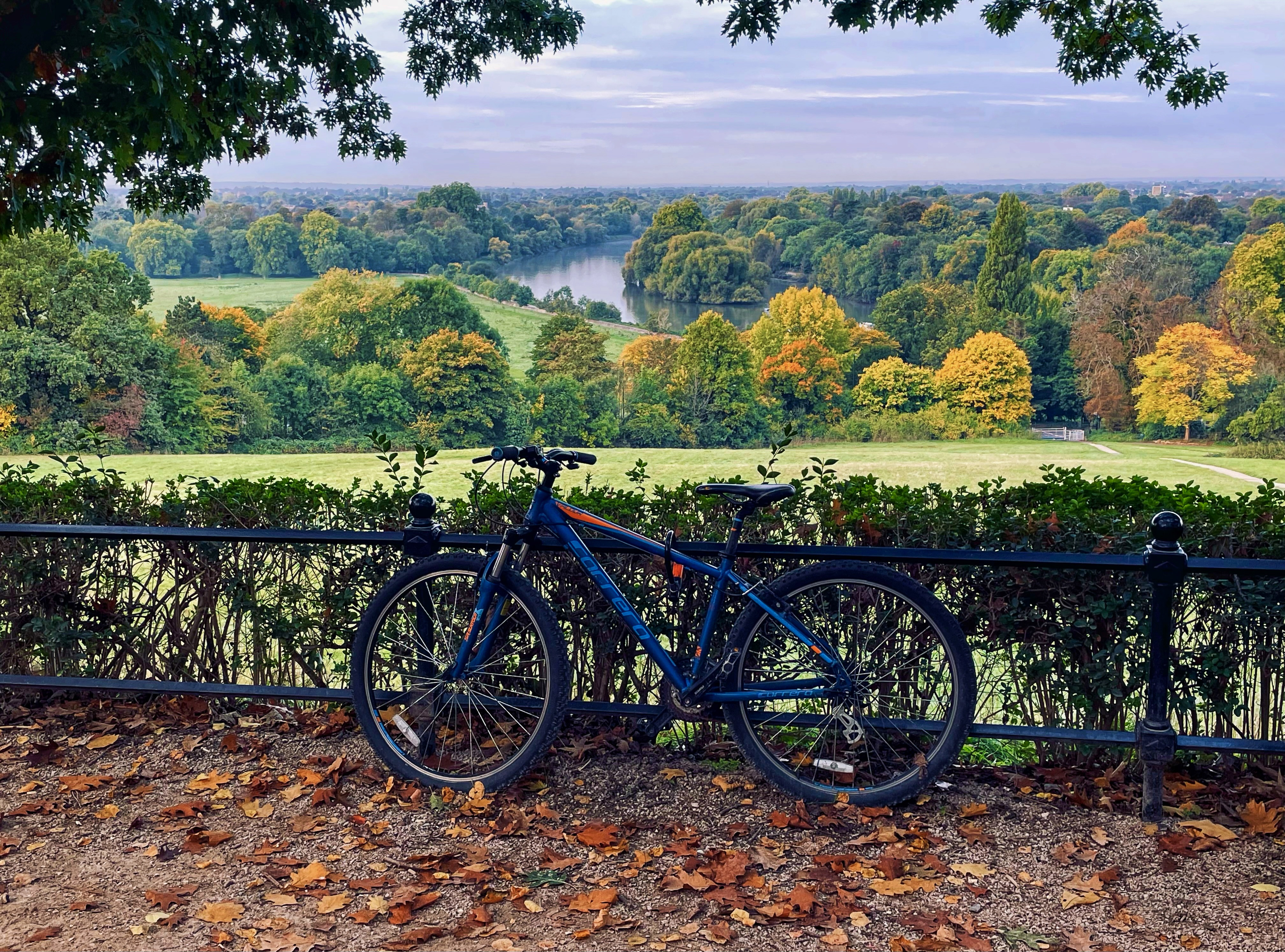
Since forests absorb carbon dioxide emissions, if their health dwindles, so will their climate benefits. Admiring fall foliage is a good opportunity for people to reflect on these changes. Sharing few pictures of glorious autumn colours.


“This post is part of Blogchatter’s CauseAChatter.”