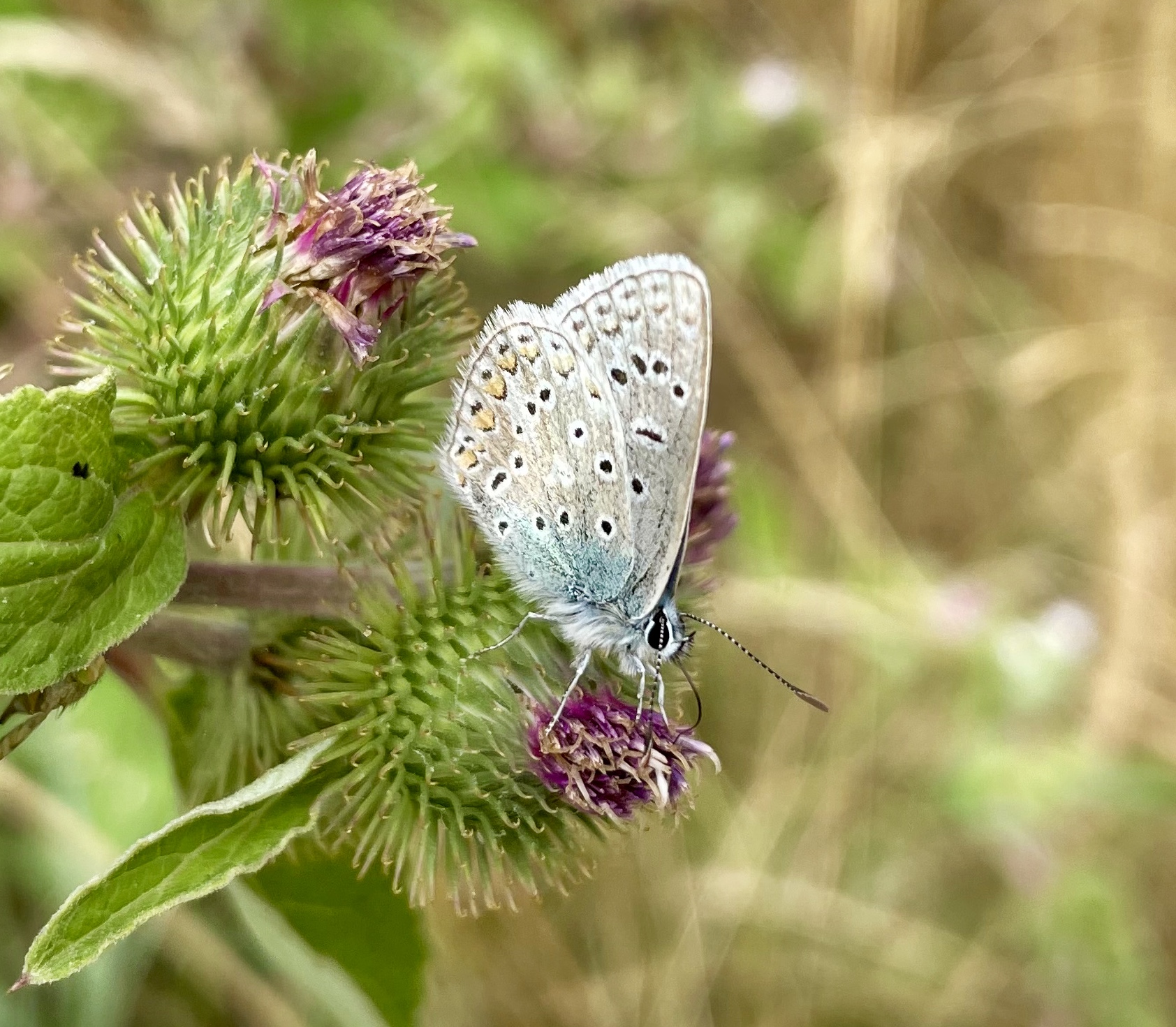
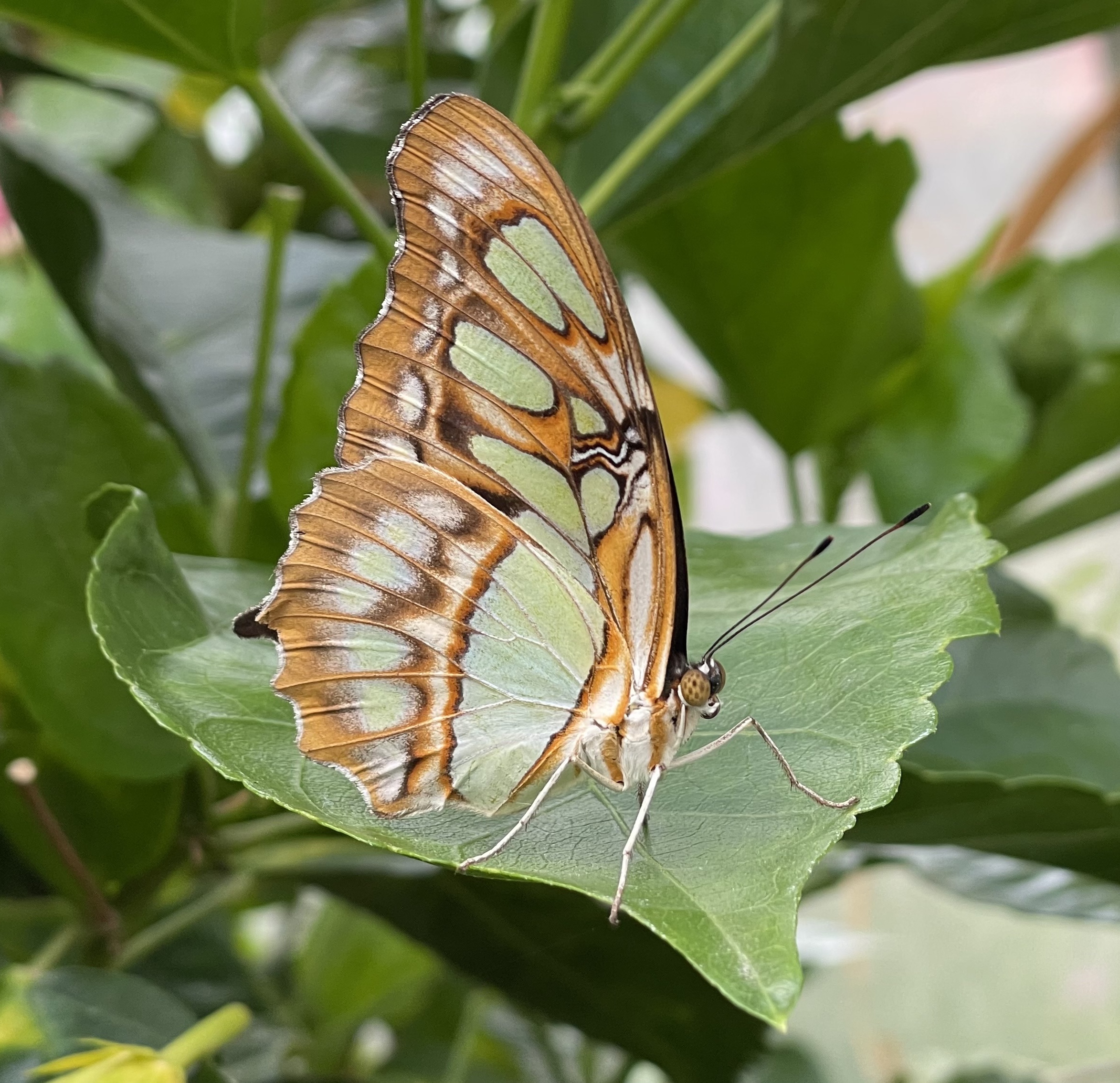
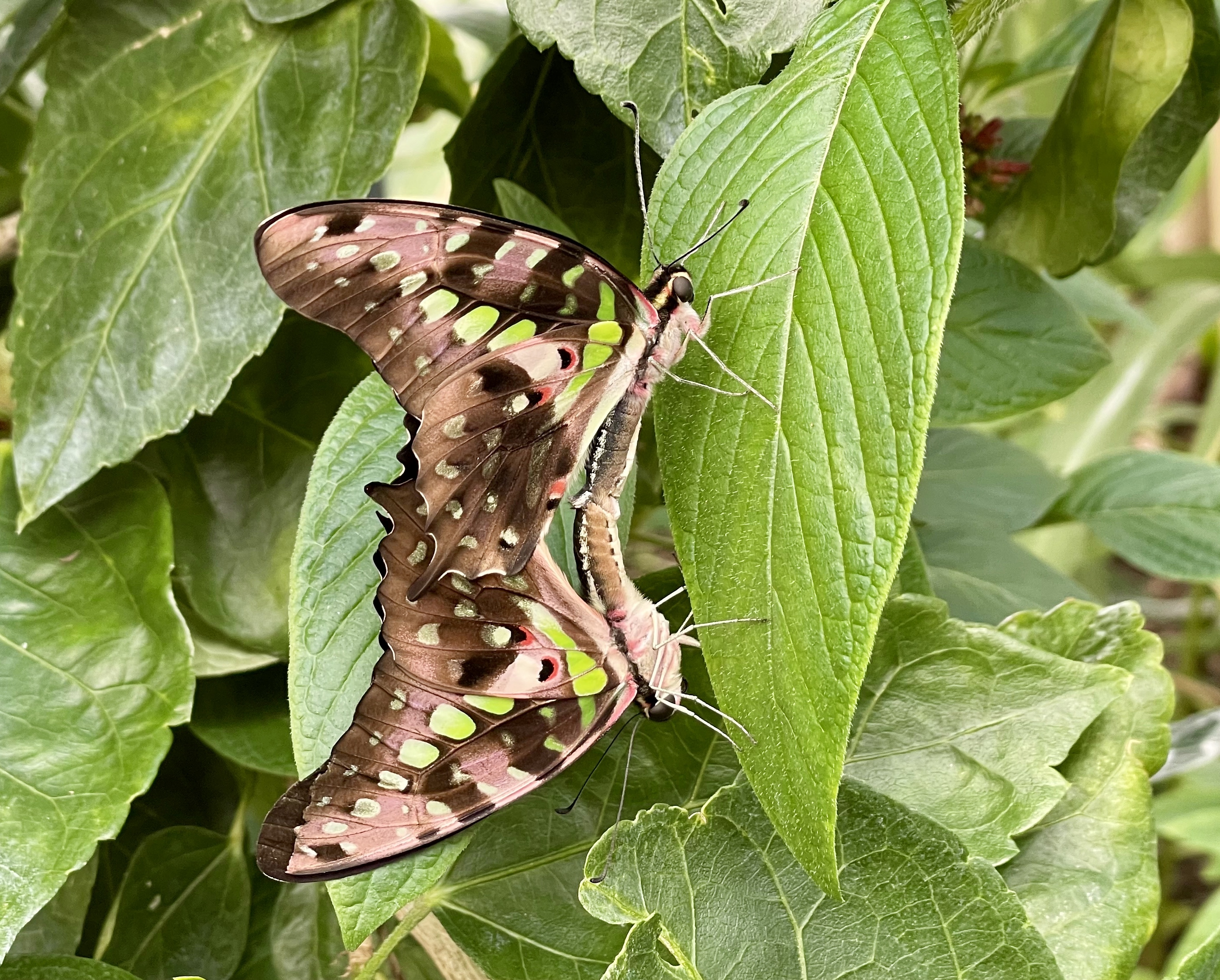
Friday, September 16, 2022
Tuesday, September 6, 2022
Water Crisis
When the well is dry, we know the worth of water.-Benjamin Franklin
Drought is insufficient rain for an extended period of time resulting in ground water and streamflow reduction, crop damage and depletion of soil moisture. It occurs when evaporation and transpiration exceed precipitation for a considerable period. Drought threatens agriculture and biodiversity in every part of the world. There are 4 kinds of drought:
1) Permanent drought is a characteristic of driest climates. In such regions, doing agriculture is impossible without continuous irrigation.
2) Seasonal drought occurs in areas that have defined rainy and dry seasons. Here, farming must be planned so that the crops develop during the rainy season.
3) Unpredictable drought is usually brief and due to rainfall failure.
4) Invisible drought occurs during summer when high temperatures induce high rates of evaporation and transpiration. Even frequent showers may not supply enough water to restore the amount lost.
Drought affects the environment and biodiversity in several ways such as:
- Creates scarcity of food and drinking water
- Increases the risk of diseases due to reduced food and water supplies
- Change in migration patterns of wildlife
- Increase in soil erosion by wind and water
- Lowers water levels in reservoirs, lakes and ponds
- Habitats such as wetlands and grasslands are destroyed
- Increases the risk of wildfires
- Reduces the soil quality
This post is part of Blogchatter's CauseAChatter
Wednesday, August 10, 2022
Happy World Lion Day
"We Don’t Own the Planet Earth, We Belong to It. And We Must Share It With Our Wildlife." - Steve Irwin
Tuesday, August 2, 2022
Big Butterfly Count
Thursday, July 28, 2022
Wind Farms
We should preserve every scrap of biodiversity as priceless while we learn to use it and come to understand what it means to humanity. - E. O. Wilson
- They can result in habitat loss or degradation. Creation of roads and human activity under the wind farms disturbs the movement of wildlife. Wind turbines kill several birds each year.
- Wildlife is displaced from feeding or nesting areas.
- Density and activity of birds is much lower in areas with wind turbines resulting in less predation risk. This has affected the food chain and the population of lizards increased.
- Selecting suitable location of turbines after studying bird activity using computer generated models in order to predict where the projects can have the least impact.
- Painting one blade of a turbine black which would allow birds to notice and avoid turbines sooner.
- Bats are most active at periods with low wind speeds and so limiting generation to higher wind speeds can prevent their death.
- Constructing wind turbines close to urban centres as that is likely to reduce the impact of turbines on wildlife.
A tryst with nature #windfarms
This post is part of Blogchatter's CauseAChatter
Tuesday, July 12, 2022
Butterflies and Climate Change
“To restore stability to our planet, therefore, we must restore its biodiversity, the very thing we have removed. It is the only way out of this crisis that we ourselves have created. We must rewild the world!” - David Attenborough
Climate change is among the biggest challenges affecting pollinators like butterflies which are essential to our ecosystem. The health of our environment depends on their numbers. How global warming threatens these colourful, graceful and mystical insects?
- Lifecycle of a butterfly is triggered by temperature. The climate has an impact on the butterfly's body temperature which in turn helps in finding a mate and laying eggs. Warm temperatures increase the number of eggs laid by female butterflies and the survival chances of egg as well as pupa are better. However, warmer winters make the larvae more vulnerable to diseases and fungal infections thereby decreasing larva survival. This results in decrease in overall population of butterflies.
- A few butterflies have special diets and could feed mainly on plants which are more vulnerable to climate change. This causes fluctuations in their food availability. For example, Monarch butterflies mainly feed on the milkweeds. During warm temperatures, Milkweed plant increases the secretion of cardenolide (a steroid) which when consumed in large concentrations can be poisonous to the butterflies.
- Some butterflies aren’t very good at controlling their temperatures with small changes in their behaviour. They instead choose a micro-habitat at the right temperature. Such species are likely to suffer the most from climate change and habitat loss.
A tryst with nature #butterflies #climatechange
This post is part of Blogchatter's CauseAChatter
Wednesday, July 6, 2022
Precious Pollinator
“It is that range of biodiversity that we must care for - the whole thing - rather than just one or two stars.” - David Attenborough
A tryst with nature #speckledwood #butterfly
-
“There’s a double beauty whenever a swan Swims on a lake with her double thereon.” ~ Thomas Hood The Black swan ( Cygnus atratus ) is a lar...
-
American coots have a black body and white bills. Their chicks, however, sport a red-and-orange head and their necks are encircled in bright...
-
"The smallest act of caring has the potential to turn a life around."- Leo Buscaglia A bug hotel is a structure created with natur...